
Step-by-Step Guide Securing a Free Zone Commercial License via RAK ICC
Securing a Free Zone Commercial License in the UAE has never been easier, thanks to the Step-by-Step Guide provided by RAK ICC. Ras Al Khaimah International Corporate Centre (RAK ICC) has recently launched an industry-leading update, offering greater flexibility and broader opportunities for offshore businesses. With the issuance of Free Zone Commercial Licenses, foreign companies can now benefit from the various benefits of the Ras Al Khaimah Economic Zone (RAKEZ). If you want to take advantage of this opportunity, Recordac Accounting and Consulting Services in Dubai is here to guide you every step of the way. Begin today, and your company is on its way to success. Understanding the Recent Update The introduction of Emiri Decree No. (12) of 2024 was a game-changer for companies registered under RAK ICC. RAK ICC, for the first time, has been authorized to grant Free Zone Commercial Licenses. With the implementation of this update, International Business Companies (IBCs) can not only register offshore, but they can also establish their commercial presence within RAKEZ. This trend has emerged as a game-changer for investors and entrepreneurs seeking to capitalize on the Operational Flexibility and Tax Benefits provided by the UAE. Why the Free Zone Commercial License Matters Previously, RAK ICC offshore companies were restricted in local activities. With the Free Zone Commercial License, these companies can now establish a presence in RAKEZ. This equates to access to world-class infrastructure, modern business suites, and office leasing opportunities that scale well to suit each business size. The most significant benefit of the scheme is that it is very tax-efficient. A RAK ICC Free Zone Commercial License may be eligible for a zero rate of corporate income tax under the UAE Corporate Tax Law. To take advantage of this benefit, the company must meet the requirements of a Qualifying Free Zone Person (QFZP). Although complying with these regulations is a given, the reward of operating without paying taxes is unparalleled for international investors. Step-by-Step Guide Securing a Free Zone Commercial License via RAK ICC The first step to get a Free Zone Commercial License is to partner with a Registered Agent in RAK ICC. With a registered agent, you can easily license your business, have someone handle official correspondence for you, and ensure that your business is always compliant with the most up-to-date regulations. RAKEZ provides several different address options according to your operating requirements: To qualify for the 0% corporate tax rate, companies must comply with the UAE Corporate Tax Law. This includes meeting requirements related to: Professional tax advice is highly recommended to ensure all conditions are met. The new licensing option opens doors but also comes with responsibilities. By working with legal and tax advisors, you can safeguard your business against compliance risks. Expert consultation ensures that your company not only qualifies for benefits but also sustains them in the long run. After fulfilling all requirements, you can apply and obtain your RAK ICC Free Zone Commercial License. With the license in hand, your business is deemed legal within RAKEZ, granting you the right to operate in one of the most dynamic and investor-friendly locations in the UAE. Key Benefits at a Glance A strong legal framework backed by RAK ICC. Final Thoughts The Step-by-Step Guide to Securing a Free Zone Commercial License via RAK With Rooftop Civilization, LLC reveals how offshore companies can maximize their opportunities in the UAE. Purchase now and start writing an all-new book of business growth. If you are ready to take this step, partner with Recordac Accounting and Consulting Services in Dubai to make the process smooth and stress-free. Contact us today and take control of your license, forging ahead into a new era of business growth.
Why RAK ICC Free Zone Licenses Are a Game-Changer
The globalization of trade has led entrepreneurs to seek practical, low-cost, and easily scalable, secure locations for their firms. When it comes to understanding why RAK ICC Free Zone Licenses are a Game Changer, it’s easy to see why they offer a unique gateway for international investors to establish a foothold in the UAE while reaping unprecedented benefits. For companies seeking to develop their operations seamlessly and strategically, Recordac Accounting and Consulting Services in Dubai can guide you through the process. So, if you’re thinking about making your next move, it’s better to act now than later. What Makes RAK ICC Stand Out RAK International Corporate Centre (RAK ICC) is among the most reputed corporate registries in the UAE. Free Zone commercial licenses have led to RAK ICC being established as an offshore jurisdiction, as opposed to simply a register of shareholders, with the ability to trade within the UAE and abroad. This development has made the jurisdiction attractive to holding companies, as well as to entrepreneurs who desire the freedom to operate. With this development, RAK ICC connects the dots between offshore flexibility and free zone credibility. The Strategic Advantage of Free Zone Licenses The most significant aspect of RAK International Corporate Care (RAK ICC) Free Zone Licenses is their ability to offer a global solution with a locally focused benefit. Businesses can now enjoy: This means that international investors have an opportunity to diversify into the UAE market without sacrificing control or profit. How RAK ICC Benefits Entrepreneurs The regulatory framework presented by RAK ICC provides the tools to set up businesses with low risk and high reward. Entrepreneurs benefit from: RAK ICC now allows for a wide variety of business operations. From consulting firms and trading companies to e-commerce startups, businesses can operate with limited boundaries. The companies registered at RAK ICC are well-known in leading global financial markets, thereby making cross-border transactions easier and lending enhanced credibility. RAK ICC has one of the most competitive free zone licensing packages in the UAE. This means that startups and SMEs can make their mark without incurring the massive costs associated with it. Why Global Investors Are Paying Attention With the approval of commercial licenses, RAK ICC Free Zone Licenses stands as the link between the global market and the UAE’s emerging economy. This has attracted the attention of investors around the globe who wish to grow in an economically attractive, tax-friendly jurisdiction supported by solid systems of regulatory conditionality. Furthermore, the international compliance status of RAK ICC is a testament to its transparency and integrity, which are invaluable assets in the eyes of global investors. A Boost to the UAE’s Business Environment By offering commercial licenses, RAK ICC establishes itself as a testament to the UAE’s reputation as a global business hotspot. It creates a diversified avenue for foreign investors while aligning with the country’s long-term economic vision. Not only does this help entrepreneurs, but it also helps accelerate the UAE’s competitiveness in attracting international trade and investment. The Role of Compliance and Transparency One of the reasons why RAK ICC Free Zone Licensing is a game-changer is that it prioritizes compliance. The registry adheres to international best practices to ensure that businesses are established on solid and transparent foundations. That gives entrepreneurs credibility in both domestic and global markets. For organizations with a vision of growth, this compliance-centric approach not only guarantees peace of mind but also serves as a beacon of sustainability in the long run. The Future of RAK ICC Free Zone Licenses The future looks promising. As the RAN Alliance continues its evolution, the addition of a commercial license is likely to attract more enterprises from around the world to the RAK ICC. This increase in services means that companies have a greater presence in the Middle East, Africa, and Asia. For investors, it’s not just a license; it’s an invitation to growth, collaboration, and opportunities that transcend borders. Final Thoughts The flexibility, credibility, and investor-friendly nature of RAK ICC Free Zone Licenses make it a game-changer for those seeking to overcome the challenges and seize the opportunities in the ever-evolving world of cryptocurrency. From complete ownership to international popularity, they provide an excellent opportunity for anyone looking to start or expand their business. If you’re looking to set up your business in the UAE, Recordac Accounting and Consulting Services in Dubai can ensure a smooth transition process for you. Don’t let your business future happen to someone else and secure your space in one of the fastest-growing business centers in the region today.
Why Small Businesses Need Accounting Automation

Why small businesses need accounting automation has become one of the most pressing questions in today’s competitive marketplace. As a small business owner, you’re managing a multitude of tasks, and manual bookkeeping consumes valuable time that could be spent expanding your company. Accounting automation software has revolutionized the way businesses manage their finances by providing solutions that were once only available to large corporations. Recordac Accounting and Consulting Services in Dubai understands this challenge and helps companies to implement innovative automation strategies. So, are you ready to change the way you manage your finances? Why You Should Know About Automation and How It Can Change Your Business. The need for accounting automation in small businesses becomes clear when you calculate the time spent on manual bookkeeping. Traditional accounting processes require time each week to enter information into account ledgers, reconcile data, and prepare an income statement. Automation can achieve this in minutes instead of hours. This means that more strategic business decisions can be made rather than routine administrative tasks. Automated invoice generation allows for around a 30-minute saving on each invoice. Bank reconciliation occurs in real-time, rather than taking several hours at the end of the month. These time savings directly equate to greater productivity and opportunities for additional business growth. Your business needs the information to make quick business decisions. With manual accounting systems, you get an outdated picture of your finances. Accounting automation provides real-time visibility into cash flow, expenses, and profitability. Dashboard reporting provides a quick overview of key numbers. By doing this, you can identify existing trends and potential issues that may arise. Another key to managing a complex, changing situation is the real-time information that provides the ability to adapt to a changing market situation more quickly. The result of this instant financial information is that you are given an edge in decision-making ahead of the competition. One reason small business owners believe accounting automation is expensive is that they are unfamiliar with its capabilities. The point is very different indeed. Automation reduces the need for excessive manual labor and enables you to avoid costly mistakes that are difficult to rectify. A cloud-based accounting system often costs less than hiring extra employees. You reduce expenses related to paper, storage, and physical infrastructure. The payback is typically achieved within six months of implementing the system. The savings translate into ongoing savings as your business continues to grow. Tax season is a source of stress for most small business owners. Collecting documents, sorting receipts, and preparing returns takes valuable time and effort. Accounting automation ensures that records are up to date throughout the year. Expense categorization is automatically done in relation to the tax needs. Instead of working weeks to compose paperwork to create tax reports, you can produce one in no time. This preparation would save accounting costs and reduce the risks of audit. It gives you the ability to have a backup for your money, ensuring your safety. Security of financial information is essential for all businesses. Paper accounts and simple spreadsheets offer minimal protection against theft or damage. Bank-level security is built into modern accounting automation. Data encryption helps ensure that sensitive information is protected while in transit and at rest. These protection solutions can provide peace of mind while preserving the integrity of your business reputation. Automated compliance capabilities enable you to meet your regulatory obligations. Not only will these protection services give you peace of mind, but they will also protect the integrity of your business reputation. Your business accounting should grow in tandem with your business. Obviously, as the transaction volume grows, manual processes become increasingly fraught with challenges. The need for accounting automation in small businesses is especially clear when considering scalability requirements. Increased transaction volumes are handled automatically, eliminating the need to hire additional staff. Add new features and integrations as your needs change. Centralized financial management is beneficial for multi-location businesses. This scalability enables companies to grow without incurring the accompanying increase in administrative costs. Final Thoughts There’s more to small businesses’ need for accounting automation than basic convenience. These systems offer competitive advantages, the absence of which will lead to business failure, or the presence of which will lead to business success. Better accuracy, time savings, and financial visibility lead to growth and profitability opportunities. Recordac Accounting and Consulting Services in Dubai is an expert in helping businesses implement these robust automation solutions. If you want to grow your business but don’t want to get stalled by manual bookkeeping anymore, choose the latter. Please feel free to reach out to us today to learn how accounting automation can change the way you run your finances and boost your company’s success.
Common Accounting Software Integration Mistakes

Regardless of a company’s size, scalability is now more commonly seen as an issue than ever, as many companies universally face common errors in accounting software integration that can slow down work, lead to more errors, and impact decision-making. While many companies utilize accounting tools to streamline their financial operations, improperly setting them up can cause more problems than it solves. At Recordac Accounting and Consulting Services in Dubai, we help businesses avoid these costly mistakes by setting up accounting systems the right way. If accounting software is on your roadmap for the future, keep reading and contact us today to get expert help. One of the most common mistakes in accounting software integration is jumping into software adoption without conducting a thorough analysis of the business’s needs. Every business needs a different solution; an e-commerce store won’t require the same solution as a construction company. Without precise requirements, organizations can end up investing in software that looks nice rather than helping solve the problem at hand. Before integrating any system, consider which processes are suitable for automation, the number of users, and whether the software has the capacity to scale as your business expands. Failure to plan also often leads to the waste of time and money. Data is the foundation of accounting, and one of the most common errors in accounting software integration is poor Data Migration. Data migration from outdated systems to new systems creates the risk of recreating information that is out of sync, repeating it, or losing it in the transition. Not only can poor financial reporting skew decision-making, but it can also skew the compliance manager. For this reason, businesses need to clean and validate their data before migrating. Accurate and reliable information at the outset: Testing the new system and including experts in the test migrations. One of the most common and frequently ignored mistakes I see in accounting software integration is failing to train employees. Even the best software won’t be effective unless the team knows how to use it effectively. Practical user training ensures that your line of business adheres to the correct procedures from the outset and that your employees don’t misuse new features. The system is indicative of the deep methods we use for knowing and being; therefore, developing hands-on training sessions, providing tutorials, and offering continuous support can give employees the confidence to understand and utilize the system. Well-trained staff means quicker adoption with fewer errors. One of the most crucial accounting software integration errors for digital transformation is overlooking security guidelines, as financial information is highly sensitive. You need strong passwords, multi-factor authentication, and Role-Based access. The auditor should also audit the creditors on a routine basis to identify any unusual behavior. By prioritizing security, businesses protect themselves and their customers. Failing to test is another common mistake in accounting software integration that can lead to serious issues in the future. However, it is clear that organizations vary in their workflows; however, in practice, while rolling out an integration system, many issues arise during implementation. Small teams, pilot tests, financial reports, and compatibility tests with other tools (such as payroll or inventory) will help identify issues early. This step enables companies to rectify the problems before they have a broader impact on the entire organization. Nearly all businesses today use multiple digital tools. Accounting manual error – One of the most devastating common accounting software integration errors is when accounting software is not integrated with other software, such as CRM, HR, or payment gateways. When programs operate in silos, data is scattered, resulting in overhead and increased human involvement. Increased transparency, improved reporting, and enhanced decision-making solve this problem by investing in software that will offload to us or middleware that can access a running infrastructure. Ultimately, selecting the right vendor for your company is one of the most significant mistakes when it comes to accounting software integration. You would think such a simple process, but many businesses opt for the cheapest or most popular Package while overlooking an ideally suited software for their decision. This can be frustrating if the system lacks essential features, adequate support, or sufficient scalability. Quality automation tools should be responsive to their customer service, have industry-specific capabilities, and be updated frequently. Conducting research, requesting demos, and seeking expert opinions before committing will help avoid long-term problems. Final Thoughts Experts can help with selecting the appropriate steps, such as planning, training, and other essential safeguards, to prevent common integration errors in accounting software. By identifying these challenges ahead of time and taking proactive steps to mitigate them, businesses can simplify their financial processes and ensure the accuracy of their reporting. If you want to integrate accounting software without costly errors, reach out to Recordac Accounting and Consulting Services in Dubai. Our team will make it easy for you to choose, install, and manage your accounting software, so your business can focus on growing, not making errors. Please call us today to get started.
Benefits of Cloud-Based Accounting Systems

Cloud-based accounting systems are changing the approach that business entities use in conducting their financial functions. Businesses are now utilizing digital tools that simplify the bookkeeping process, enhancing the efficiency and collaboration among those involved. In Dubai, businesses are increasingly turning to smart accounting practices to remain competitive, and that is where solutions like Recordac Accounting and Consulting Services in Dubai provide the expertise to guide this digital shift. If you want your company to run more efficiently, it is time to explore the power of cloud-based tools today. Greater Accessibility and Flexibility Accessibility is a primary advantage of a cloud-based accounting system. With cloud platforms, you can log in to work using any device with an internet connection; this is unlike traditional software, which only allows you to log in from one computer. You can check your accounts immediately wherever you are, either at the office, at home, or even while traveling. This flexibility simplifies the process for business owners and finance teams to keep up to date with real-time numbers. The information could no longer be delayed or stored at a location; hence, decisions are faster. This flexibility is a game-changer for developing businesses in a rapidly evolving market like Dubai. Real-Time Financial Insights Another significant benefit is access to airtime financial data. The advantages of cloud accounting systems include prompt updates each time an occurrence is captured. This implies that managers are no longer waiting for the month-end reports to understand their cash flow, expenses, or revenue. Real-time insights enable organizations to remain proactive. Indicatively, you can identify abnormal expenditure patterns early, assess the profitability of current projects, and also help ensure that invoices are settled promptly. You are less likely to make wrong decisions (business physicians can make confident data-driven decisions) when you have access to updated figures. Improved Collaboration Across Teams The business benefits of their collaboration are often overlooked, but they are one of the most significant advantages of cloud-based accounting systems. The same finance teams and managers may attend the same platform as external advisors without duplication of effort. Rather than communicating via email spreadsheets, stakeholders can view the same live data. This information flow eliminates mistakes, time wastage, and promotes responsibility. The same applies on most occasions where business allows entry to accountants or consultants, at which point they can offer guidelines without having to wait for updates. Enhanced Security and Data Protection One of the highest priorities in dealing with financial information is security. Fortunately, one of the most significant advantages of cloud-based accounting systems is the high level of protection they provide. Encryption, multi-factor authentication, and automatic backups are key steps in protecting sensitive data employed by leading cloud platforms. Cloud systems are much safer than storing information on a single hard drive, which has the potential to be stolen, destroyed, or lost. When providing the business with the necessary security for working with critical data, they ensure that your data is readily available, even in emergencies. Cost Efficiency and Scalability All organizations seek solutions that are both efficient and cost-effective. The advantages of cloud-based accounting systems include saving money. Older accounting software often requires a high initial investment, recurring software license fees, and regular maintenance. Also, the systems are easy to scale. As your business grows, you can add capabilities without necessarily having to invest in a completely new software. This adaptability qualifies cloud accounting as suitable for both startups, small firms, and big organizations. Automation and Reduced Manual Errors Bookkeeping through manuals is a tedious task and can be easily misdone. Automation is one of the most feasible advantages of the cloud-based accounting systems. Cloud applications can already import bank transactions, categorize costs, and even generate reports. Such automation decreases the possibility of human error and saves valuable time for finance professionals. Teams can spend their time concentrating on strategic areas, such as forecasting and value addition, rather than hours spent in boredom. Compliance and Easy Integration It is essential to remain in line with the tax laws and accounting standards. One additional common advantage of cloud-based accounting systems is that they are often updated to reflect new legal requirements. This implies that you will have fewer congruence problems and sanctions. Moreover, these systems are compatible with other enterprise applications, such as payroll software, customer relationship management systems, and payment applications. Such an incorporation structure eliminates redundancy and enables data to flow harmoniously between departments. Why Businesses in Dubai Should Consider the Shift Dubai boasts of a sizeable and competitive business environment. On-handling cloud accounting also facilitates smoother operations, besides offering an advantage in decision-making and financial visibility. The benefits of using cloud-based accounting systems are especially significant in terms of real-time information and cost implications, which are especially relevant when companies need to expand in a fast-moving market. Skilled advice on the matter can be gained with the help of Recordac Accounting and Consulting Services in Dubai, which assists companies in their cautious transition into new financial systems. When you have control over your accounts and are putting more emphasis on growth, it is high time to take action. Final Thoughts The advantages of cloud-aided accounting systems are numerous. They are accessible, offer real-time insights, enhance collaboration, contribute to better security, are cost-effective, facilitate automation, and support response to compliance. For businesses in Dubai, the adoption of such systems is no longer an option, but a requirement for remaining competitive. When your organization is willing to streamline accounting, minimize risk, and enhance decision-making. Consult Recordac Accounting and Consulting Services in Dubai today. Discover how a cloud-first approach can transform your financial management and position your business for long-term success.
Legal Structures Explained: Sole Proprietor vs LLC vs Branch

Legal Structures Explained: Sole Proprietor vs LLC vs Branch is a topic every entrepreneur in Dubai should understand before starting a business. Selecting an ideal structure is what determines your tax burden, exposure to liability, and even your growth possibilities. At Recordac Accounting and Consulting Service in Dubai, experts guide business owners in making informed choices. If you have any intentions of establishing your venture, now is the ideal time to explore your available options and seek the expertise of professionals – your posterity is key to this endeavor. Why Legal Structures Matter for Entrepreneurs The foundation of any successful business lies in its legal structure. At the outset, business owners must choose between operating as a sole proprietor, a limited liability company (LLC), or a corporation. Different options have their own unique pros and cons, and it is essential to recognize these to avoid making costly errors. Sole Proprietor: The Simplest Legal Structure What is a Sole Proprietor? A sole proprietorship is the simplest form of business ownership. It implicates only one person running and operating the whole aspect. Advantages of a Sole Proprietor Disadvantages of a Sole Proprietor A large company should not use this model. Nevertheless, liability risks tend to influence businesses toward more traditional forms of organization as the businesses grow. LLC: Flexibility with Protection What is an LLC? LLC is one of the most sought-after structures in Dubai. It enables a trade-off between personal safety and operational flexibility. Advantages of an LLC Disadvantages of an LLC The reason many entrepreneurs prefer LLCs is that they lend credibility, protection, and scalability. The LLC can be the most appropriate option for businesses seeking long-term stability in Dubai. Branch: Extending Your Business Presence What is a Branch? A branch office is an extension of an existing company, typically from a foreign country, that establishes a business presence in Dubai. It is not a company, one independent of another, but an exemplification of the parent company. Advantages of a Branch Disadvantages of a Branch A branch is suitable when an existing company wishes to expand its business in the Dubai market without losing touch with its parent institution. Comparing Sole Proprietor vs LLC vs Branch When comparing legal structures, it becomes clear that no single option fits all businesses. A sole proprietorship form is best suited to those who are beginning small. An LLC is a suitable option for business owners who desire security and growth. An international company entering the Dubai market should consider establishing a branch. The answer can only be the one that suits your intentions, resources, and risk acceptance. Consulting with individuals in the profession before registering will help you make an informed decision. Key Factors to Consider Before Choosing Such considerations will help you make informed decisions and avoid difficulties in the future. Final Thoughts Legal Structures Explained: Sole Proprietor vs LLC vs Branch highlights the importance of choosing wisely from the start. The advantages and the challenges associated with each of the models, such as sole proprietor, LLC, and branch, differ. Entrepreneurs in Dubai are required to weigh the structure that works with their vision and capabilities. At Recordac Accounting and Consulting Service in Dubai, professionals simplify this process and help you set up the proper structure with confidence. You may be planning to start a small business, establish an LLC, or even open a branch, in which case, professional help will help you avoid pitfalls and achieve a high level of success. Interested in putting your business on the right path? Contact Recordac today and take your first step toward sustainable growth in Dubai.
Company Formation Costs: What to Expect?

Company formation costs: what to expect is one of the most common questions entrepreneurs ask before starting their business journey. When starting a small business or opening an existing one in Dubai, understanding the cost of company formation can help avoid surprises. On average, company formation costs in Dubai range from AED 12,000 to over AED 29,000, depending on the type of business structure and location. At Recordac Accounting and Consulting Service in Dubai, we guide business owners through every step of the setup process so they can focus on growth rather than paperwork. Consult with a professional to open your business, allowing them to handle the complicated matters while you focus on other issues. Why Understanding Company Formation Costs Matters Entrepreneurship is a heartwarming venture, but neglecting to plan for the expenses involved in company formation may cause problems in the long run. Such costs differ according to the location, company type, and legal requirements. By disaggregating the expenses of company formation, you will have an idea of what to expect in expenditure. This can enable you to budget adequately, make proper decisions, and prevent the loss of time. Main Elements of Company Formation Costs Among the most prominent figures involved in the purchase of a company, a license fee is often a consideration. All businesses in Dubai must obtain a license to operate. Prices are pegged depending on the kind of business. An example is the commercial license, which could have varying prices when compared to the professional license. The licensing fees are a compulsory cost and hence must always be incorporated in financial planning. The next significant component of the costs of forming a company is the registration. This payment is made to government authorities to enroll your company officially. It makes your business a valid entity and institution in the legal framework of the state. And that hinges on the jurisdiction- whether you are establishing it in a free zone or in mainland Dubai. The expenses of forming a business are often inaccurately estimated by most entrepreneurs, including office space, which is a critical component of the company. In Dubai, certain business forms require a physical office, while others can operate virtually. When moving to Dubai to do business, visas are another concern of the Dubai company formation costs. Entrepreneurs and their employees must have valid visas, which are associated with fees imposed by the government. The cost of doing business is higher because many entrepreneurs prefer to work with consultants. Still, this practice saves a significant amount of time and reduces errors. The professional services include document drafting, approvals, translations, and compliance checking. Although this is an added cost, it facilitates a smoother and faster process. Factors That Influence Company Formation Costs The type of business structure that you select greatly affects the costs of company formation. Compared to a limited liability company (LLC), a sole proprietorship, in general, is a less costly entity to assemble. The cost structures of Free zone entities also differ from those of mainland companies. The nature of the activity undertaken by your business is a factor that determines costs as well. Activities that involve special approvals usually have a higher fee, e.g., healthcare, education, or financial services. Such industries require clearance of regulations, which increases time and costs. The cost of forming a company in Dubai’s free zones is competitive, with packages offering office space, visas, and licenses. Mainland setups, however, can be more expensive, but confer more operational flexibility. The selection of an appropriate location is based on your business objectives and budget. How to Plan for Company Formation Costs The importance of planning the cost of a company formation is not to amass funds but rather to create a sustainable budget. Entrepreneurs should: Through proper planning, you can easily start your business safely and securely. Final Thoughts Company formation costs: what to expect is not just a question, it’s a roadmap to starting your business the right way. With setup fees ranging from AED 12,000 to over AED 29,000, the process requires careful financial planning. Whether it is the cost of licensing, cute spelling, visas, or any other financial implication, all will contribute to making your setup. Entrepreneurs who pre-plan can save both time and money in the process. At Recordac Accounting and Consulting Service in Dubai, we simplify company formation costs by offering expert guidance and complete support. Are you now willing to turn your business idea into a reality? Get in touch with us today, and we will help put you in the right direction.
Benefits of Setting Up in UAE Free Zones

Starting a business in the United Arab Emirates offers unique opportunities, and the benefits of setting up in the UAE free zones make it even more attractive for entrepreneurs, investors, and startups. Free zones have become a preferred option for international businesses, offering full ownership and simplified setup practices. If you are planning your move, Recordac Accounting and Consulting Services in Dubai can guide you through every step. Contact the team today to get started with confidence. Why Entrepreneurs Choose UAE Free Zones One of the most significant advantages of establishing operations in the UAE free zones is the provision of complete ownership. The free zone does not provide investors with a local sponsor, unlike mainland businesses, allowing investors to enjoy 100 percent control. This simplifies the task of foreign entrepreneurs to run their operations and not sacrifice equity. The UAE lies in the middle of the East and the West, which enables it to have direct access to large markets in Asia, Africa, and Europe. There are also the UAE free zones, where companies can establish a presence and take advantage of this strategic location to expand more quickly, since they will be able to target international customers with ease. One of the major factors that attracts businesses to free zones is the tax-favored regime. In most of the free zones, companies are exempt from issues related to corporate tax, import duties, and export fees. Setting up in the UAE free zones offers several benefits, including reduced operational costs and maximized profits. Streamlined Business Setup The UAE free zones provide ease in the formation of companies. Licensing, registration, and visa processing are frequently finished in a few days. This streamlined system is one of the standout benefits of setting up in the UAE free zones for busy entrepreneurs who want to start operations quickly. A wide range of workspace solutions is another significant benefit. There are shared offices, warehouses, and even virtual offices that businesses can select. The benefits of setting up in the UAE free zones include scalability, allowing companies to expand as their needs grow. Access to World-Class Infrastructure Free zones are planned keeping the contemporary requirements of business in view. From state-of-the-art warehouses to cutting-edge communication systems, the benefits of setting up in the UAE free zones include access to facilities that support global business standards. The UAE has some of the busiest ports and airports all over the world. The presence of free zones near these hubs ensures smooth trade and transport. For businesses involved in import and export, this is one of the most valuable benefits of setting up in the UAE free zones. Supporting Diverse Industries The implementation of each free zone was developed with the focus on the particular industry, including technology, healthcare, media, or logistics. The selection of the proper zone guarantees custom advantages. As an example, innovation hubs are available to tech companies and warehouse facilities for logistics firms. These industry-specific advantages highlight the benefits of setting up in the UAE free zones for every type of business. Entrepreneurs all over the world flock to free zones. This multicultural society promotes the spirit of cooperation, joint ventures, and business associations. One key advantage of establishing in the UAE free zones is the opportunity to work with potential business partners and customers. Legal and Financial Advantages It is simpler in a free zone to open a corporate bank account than in other jurisdictions. This tool helps companies manage their finances with ease. Financial freedom and security are among the key benefits of establishing operations in the UAE free zones. The government of the UAE has developed free-zone legislation that has stimulated investment and safeguarded businesses. Clear regulations and investor-friendly policies make the benefits of setting up in the UAE free zones long-term and sustainable. Final Thoughts The benefits of setting up in the UAE free zones extend beyond ownership and tax exemptions. Spanning its high-end infrastructure to industry-specific hubs, entrepreneurs are presented with unequalled opportunities to develop their business in one of the most business-friendly surroundings worldwide. If you are considering your next step, Recordac Accounting and Consulting Services in Dubai can provide expert guidance tailored to your business needs. Reach out to them today and start your free zone experience with ease and confidence.
Best Practices for Implementing ERP in SMEs
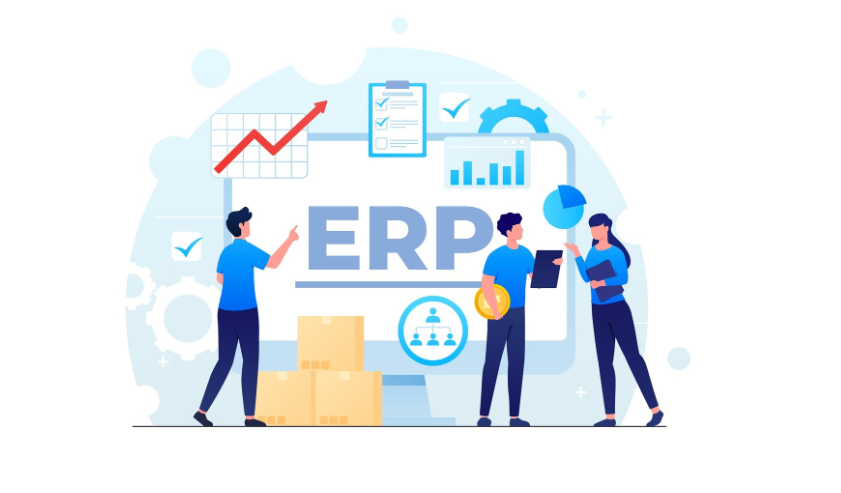
As far as the growth of your business is concerned, knowledge of the best methods to adopt the ERP in SMEs is essential. Small and medium-sized firms (SMEs) require practical tools to run business processes, and Enterprise Resource Planning (ERP) systems may provide the necessary integration and control to remain competitive. At Recordac Accounting and Consulting Services in Dubai, we help SMEs streamline their processes with tailored ERP solutions. Are you an SME interested in putting ERP in place? Act now and call our experts for a free one-on-one session to discover what it takes to get it right. Understand Your Business Needs Before Selecting an ERP Best practices in applying ERP to SMEs will start with knowing what your business needs. A common trap taken by many SMEs is to commence implementation without a plan. The first step will be to jot down the pain points in your current workflow. Which of the following is your greatest challenge: inventory control, financial reporting, or customer management? This information on what you want to improve will enable you to select the correct ERP system. Don’t follow trends; choose a solution that suits your industry, business size, and long-term goals. Choose the Right ERP Software for Your SME One of the best practices for implementing ERP in SMEs is the choice of software. ERP systems are not made in equal measures. Others are more manufacturing-oriented, while others are better suited to retail, logistics, or service-oriented companies. In selecting an ERP software, keep in mind; Cloud-based ERP systems serve SMEs well because they have less initial cost and self-defined usage patterns. SAP Business One, NetSuite, and Odoo are usually suggested as systems to use by SMEs, as they can be both modular and supported. Secure Leadership Buy-In and Set Realistic Goals The support of the top management is one of the most neglected best practices in implementing ERP to SMEs. Unless your management team is committed to adopting the ERP, the initiative is unlikely to succeed. Senior managers should be a part of the planning process and should monitor progress frequently. Establish practical goals, which are competent and emphasize performance indicators (KPIs). How should success be defined in your business? This can be inventory waste reduction, increase financial closing, or even customer satisfaction. Have those objectives at the forefront of the process. Involve the Right People from the Start Another significant best practice in ERP implementation in SMEs is the engagement of its end-users early in the process. The selection and customization process should consult employees of various departments–finance, operations, sales, and customer service. Their experience will enable them to adapt the system to real working processes, thereby reducing resistance to change. Establish an internal project team consisting of decision-makers and power users to ensure the implementation proceeds as planned. Invest in Training and Change Management ERP implementation is not an upgraded technology, but it is a cultural change. Thus, training is imperative. This is among the best practices of ERP implementation in SMEs that most businesses take lightly. Provide practical, position-based training and support to help them effectively use the system. Then talk about the advantages of the ERP system throughout the business. Demonstrate how it will simplify their tasks, rather than complicating them. Test Thoroughly Before Going Live Conduct several tests before fully implementing your ERP system. Bring real-life business situations and exercise the system to observe its performance. Test bugs, integration-related problems, and usability cases. This is the most crucial testing stage, ensuring no interference after the system goes live. Postponed implementations or pilot programs are suggested as the best practice of ERP implementation in SMEs. They lower the risk, and teams adapt as they go. Monitor Performance and Optimize After the ERP system is on, still track the performance against your original KPIs. Periodic meetings are held to collect employee feedback. Is efficiency entering the system? Is something in the modules or features that requires adjustments? The best practice in realizing ERP implementation in SMEs is continuous improvement. Regard ERP implementation as a constant voyage, and not a project. Maintain a strong linkage as you develop your business. Work with Experts for a Smooth Implementation There is no better best practice than to collaborate with experienced individuals or firms in ERP systems and SME dynamics for implementing ERP in SMEs. It can be tricky to implement, and errors are not cheap. A skilled consultant is available for planning, configuration, migration, training, and post-launch support. At Recordac Accounting and Consulting Services in Dubai, we’ve helped numerous SMEs successfully transition to ERP platforms that fit their unique needs. You can save yourself from common pitfalls, whether you are upgrading from spreadsheets or switching from a legacy system. Final Thoughts By implementing ERP best practices in SMEs, you not only save time and money but also equip your business to grow with confidence. The effective ERP solution will revolutionize your activity, increase efficiency, and enable you to make better decisions. Just keep in mind that there are only three ingredients to success: preparation, people, and partnerships. Are you all set to adopt ERP with assurance? Get in touch with Recordac Accounting and Consulting Services in Dubai for expert guidance tailored to your SME.
How to Migrate to a New Accounting Software Without Losing Data?
Switching accounting platforms might seem risky, but understanding how to migrate to a new accounting software without losing data makes the process safe and manageable. For businesses in Dubai, Recordac Accounting and Consulting Services ensures smooth transitions, offering expert support and protection for your financial records. Are you ready to switch to more efficient and innovative accounting software? Now, let’s see how to proceed without jeopardizing your valuable data. Why Businesses Switch Accounting Software Businesses have many reasons why it is a good time to change. Whether it’s improved functionality, an enhanced user experience, cloud alliances, or affordability, the ideal software can boost productivity and compliance. Nevertheless, many companies are afraid of losing information. That’s why knowing how to migrate to a new accounting software without losing data is vital. Step-by-Step Guide to a Safe Accounting Software Migration Data migration does not need to be complex. The secret lies in planning and executing every step. Before engaging in any establishment, it is good to analyze your existing software. What is it storing: customer records, vendor payments, tax filing, financial reporting, bank reconciliations? List down: This preparation is essential for a seamless migration to a new accounting software without losing data. Software solutions are not created alike. Take into consideration the feature that fits your business: Not all software solutions are equal. Consider features that suit your business: Before taking this step, it is essential to verify whether the new platform supports automated data migration or if manual import is required. This is a step that cannot be overstressed. Make a complete backup of the system that you have always had. Store this backup in two separate places, one locally and one in the cloud. Backing up ensures that you can restore everything in case of any migration error, a crucial part of migrating to a new accounting software safely without losing data. Rock-solid clean data eases the migration process. Withdraw duplicate records, seal inactive accounts, and update mistakes in customer/vendor records. Ensure the use of account codes is standardized. By spending time preparing your data, you will both save time and eliminate post-migration complications. Conduct a small data sample before using your entire dataset when testing the new software. This aids you: Testing a portion of your data is one of the safest ways to ensure that migrating to a new accounting software without losing data goes as planned. It is moving time now. About your software, this could involve: Read the migration guide by the provider. Do not leave out any patterns of field mapping and settings. Once the transfer is complete, perform a detailed audit. Check: Compare these with your initial backup to ensure that everything is the same. This is a critical step in effectively migrating to a new accounting software without losing data. Despite the most desirable software, employee training is essential. Ensure that employees are familiar with the new platform and know how to input data as well as produce reports. Numerous account mistakes occur after migration due to the user’s lack of knowledge about the new system. Ensure that you do not commit the following pitfalls to ensure that your migration comes out stress-free: Avoiding these errors ensures you understand how to migrate to a new accounting software without losing data while saving time and money. Get Expert Help When You Need It If your business lacks in-house expertise, consider hiring professionals to fill the gap. Recordac Accounting and Consulting Services in Dubai specializes in migrating to new accounting software safely and efficiently, ensuring data loss is minimized. Their group handles backups, data transfer, validation, and post-migration support. Final Thoughts Data need not be lost when the systems change. When you have a solid plan, a complete backup, a thorough review of data, and adequate testing, you can be assured that everything will go smoothly. Remember, how to migrate to a new accounting software without losing data comes down to preparation and brilliant execution. Whether you upgrade to the cloud or transfer your legacy data, your accounting information can remain intact and precise. Basing a new start with superior financial tools? You can count on experts at Recordac to ensure your migration process is stress-free and free of hitches. Have your data travel with authority.